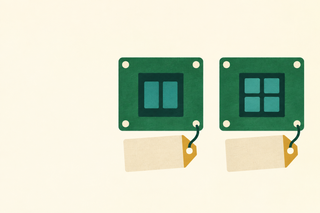
The Same Pocket Computer Name Can Hide a Different Processor
PocketBeagle 2’s processor changed between revisions without an extra board charge. A configuration record keeps that welcome upgrade explicit.
Topic
PocketBeagle 2’s processor changed between revisions without an extra board charge. A configuration record keeps that welcome upgrade explicit.
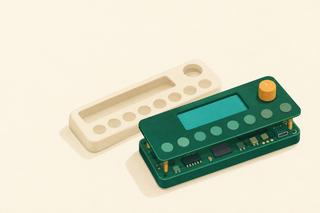
Teenage Engineering placed sensitive parts beneath a synthesizer’s display and sold the bare board as the instrument. An enclosure decision still has to account for protection and support.
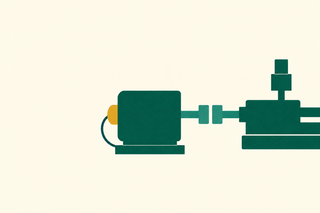
Mechaduino adds shaft feedback to a stepper motor. The useful engineering question is which errors remain beyond the point being measured.

Opentrons Flex uses liquid-specific transfer settings as well as modular hardware. A requirements map and first-week versus repeat-week model help scope a useful adoption test.
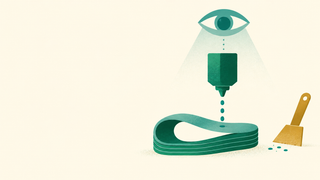
Optical feedback helped Inkbit and university researchers remove a resin-smoothing constraint. An interface map and finishing allowance connect that advance to a specific assembly decision.
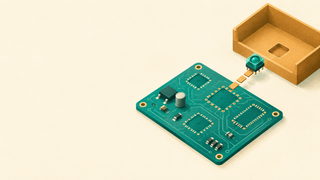
Little Bee’s production notes show how a supplier assurance can stall before an accepted order. A purchasing evidence ladder and fallback model make the risk visible.
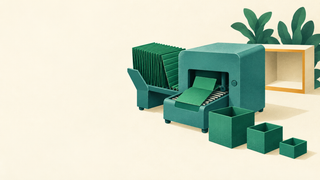
Packsize converts folded corrugated material into boxes near the order. The useful comparison includes inventory, packing work and the costs that smaller boxes actually change.

Sila sells silicon-carbon anode material, while its factory roadmap uses battery-energy units. A worked conversion shows which assumptions connect material output to usable cells.
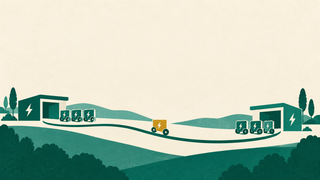
Revoy puts battery-powered drive units between diesel trucks and trailers. The commercial question is whether a repeat route can keep the units and swap stations working.
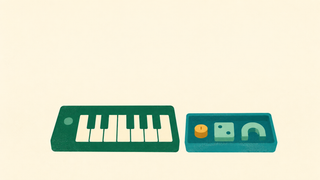
Oskitone designed its Scout synthesizer for people learning electronics. It left out controls to simplify assembly and explanation while preserving a later modification path.
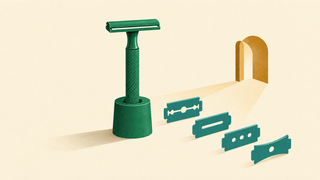
Henson sells a machined razor that accepts standard blades. Its design choice makes first-order contribution more important than hoped-for refill revenue.
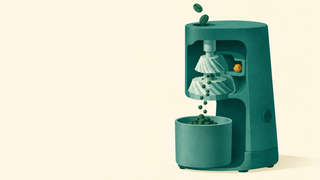
Niche’s home-grinder brief focused on small doses and retained coffee. Three measurements show how founders can turn a complaint into an honest product test.

Oru solved kayak storage, then changed its folding pattern to simplify ownership. A practical map helps founders find friction outside a product’s main use.
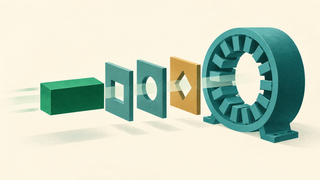
Niron’s GM partnership is a route into motor development. A four-state evidence ladder separates that opportunity from qualified, repeatable production supply.
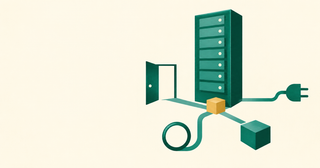
Oxide sells an integrated rack of computers for a customer's own facility. The purchase decision spans capacity, physical access and operational responsibility.
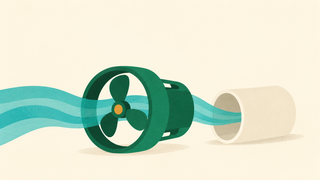
Blue Robotics replaced a sealed motor arrangement with a flooded design. Its development story shows how architecture changes assembly cost and customer obligations.

Gradient designed a heat pump for existing windows. A New York housing pilot shows why installation, seasonal reliability and bill economics need separate gates.
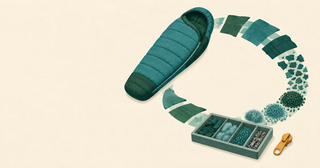
NEMO redesigned its Forte sleeping bag around a simpler material family. The commercial promise also requires collection, sorting and an actual processor.
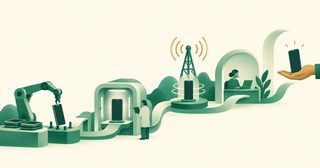
A phone campaign can prove demand before suppliers, certification, carriers, fulfillment, and support are ready. Light's updates reveal the missing system.
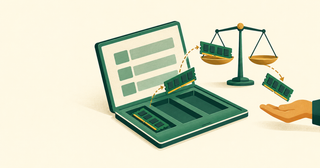
Framework faced a memory quote above twice its prior cost, changed preorders, then refunded buyers when supply got cheaper. Here is the reusable batch rule.
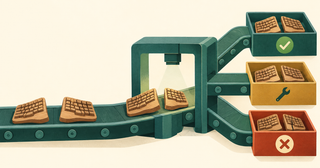
Keyboardio's maple enclosures made natural variation a production constraint. Its updates show how founders can set a quality gate before fulfillment.
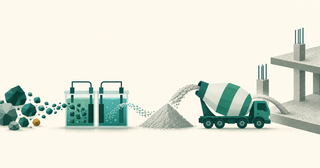
Sublime Systems is changing how cement is made while trying to keep concrete work familiar. Its harder challenge is an adoption system.
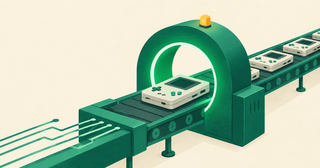
GameTank had a working console, enclosure and games, yet electromagnetic testing still controlled when the finished product could ship.
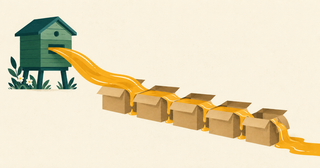
Flow Hive turned a modest tooling request into nearly 25,000 customer obligations. The launch succeeded faster than its original production plan could grow.