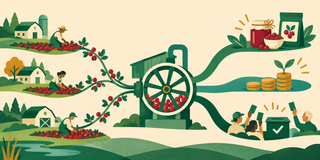
Ocean Spray's Cranberry Suppliers Also Own the Processing Machine
Ocean Spray's growers own the processor and brand. A four-account model separates farm cash, patronage, retained capital and control.
Topic
Ocean Spray's growers own the processor and brand. A four-account model separates farm cash, patronage, retained capital and control.
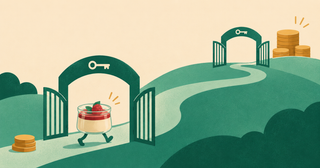
James Averdieck sold Gü in 2010 in a deal reportedly valuing it at £32.5 million. A later £150 million bid shows why exit regret needs a cash-and-risk ledger.
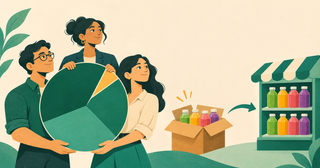
Simple Modern used Amazon to refine drinkware before mass retail and remained closely held. A dilution comparison shows what retained ownership can and cannot prove.

LEGO's 2005 park sale separated brand affinity from the capital needed to run another business. An asset worksheet helps smaller owners examine the same tension.
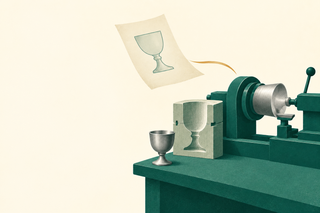
Danforth Pewter added established designs alongside equipment and training. A worked example shows why an acquisition price understates initial cash needs.
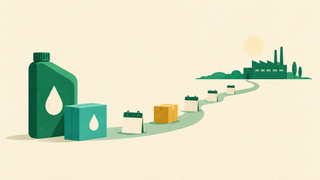
WD-40 outsources finished-goods manufacturing but still commits money to capacity. Its disclosures show how to map supplier promises before withdrawing cash.

Vitsœ used customer lending to help build a factory. The ownership benefit came with a repayment obligation that product loyalty could not erase.
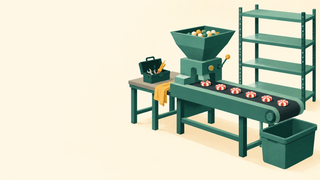
Berkshire kept See's Candies while redeploying surplus cash into other businesses. Its history offers a two-stage test for an owner's next acquisition.
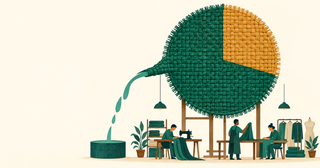
Eileen Fisher sold a minority stake to an employee ownership plan while retaining control. Four ledgers show what partial founder liquidity actually moves.
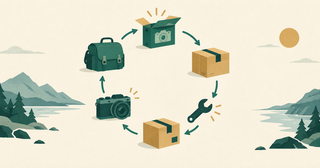
Peak Design repeatedly finances new physical products with customers. The model protects founder control only when fulfillment cash is kept separate.
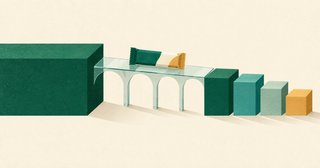
Kellogg paid $600 million for RXBAR, but enterprise value is not a founder's personal bank statement. A proceeds bridge explains the difference.
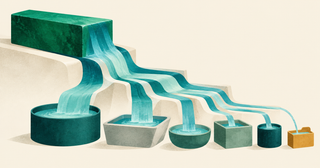
PepsiCo's $1.2 billion purchase of Siete was a company valuation, not a disclosed family payout. Ownership and deal terms determine the proceeds.
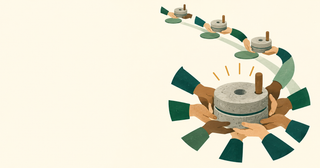
Bob's Red Mill is a flour and whole-grain company. Its decade-long employee-ownership transition shows the cash flow and management work an ESOP requires.

New Belgium Brewing shared financial value through employee ownership, then employees approved a sale. An ESOP did not permanently lock independence.
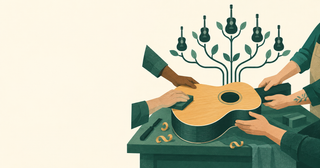
Taylor Guitars developed product leaders and managers before moving ownership to employees, separating founder succession from a competitor sale.