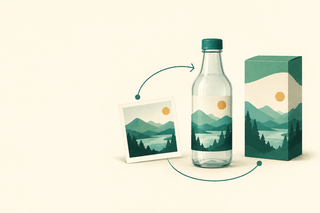
Jones Soda Put Its Customers on the Label
Jones Soda has used consumer photographs on labels since 1996. A practical workflow shows the work needed to make customer participation reach a visible finish.
Topic
How small companies get found: owned audiences, outreach, local search, and distribution that compounds.
Jones Soda has used consumer photographs on labels since 1996. A practical workflow shows the work needed to make customer participation reach a visible finish.
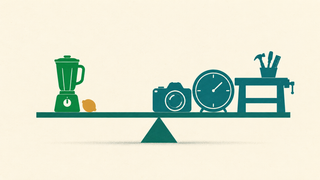
Blendtec’s famous starting budget paid for props. A complete campaign budget also accounts for people, existing assets and distinct revenue streams.
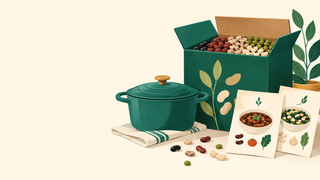
Steve Sando created a member group to answer recurring bean-cooking questions. Its useful lesson is to help buyers succeed before expecting them to recommend a product.
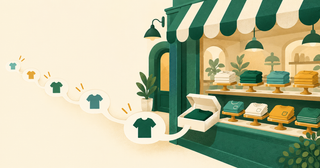
Johnny Cupcakes made a T-shirt shop look and behave like a bakery. A scorecard separates memorable retail media from expensive scenery.
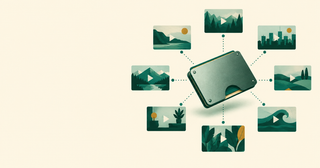
Ridge sells slim wallets and everyday-carry products. It priced creators from observed views, bought repeated exposure and renewed placements that worked.
ScrapingBee failed twice, then rode long technical tutorials to $1M ARR and an eight-figure sale to Oxylabs. Their content playbook, step by step, with the numbers.
Cold LinkedIn messages went nowhere, so Alex West sold the list before it existed: ten customers at $29 within two weeks of a Product Hunt launch. The whole arc, from $87 on day one to a $53,700 peak and back down.
Laura Lopuch sent 328 researched cold emails as a new freelancer with no network and grew her revenue 14x in about four months. The method is documented down to the day of the week.
lemlist started in 2018 with $1,000 and reached a $150M valuation without outside funding. Four times its founder traded short-term money for distribution, and the AppSumo deal shows the exact price.
The FTC, Utah and California say Hims shared health information with Meta and Snap through customer lists and automatic website Events. Four surfaces leak a category, and you can inspect all four in half an hour.
noyb filed a complaint on 30 July over a consent banner covering 1,741 advertising partners. We downloaded the IAB framework vendor list the same day and counted it: 1,196 vendors, 428 of them relying on legitimate interest, and one declaring an 11.8 year retention period.

Frank published his 2022 template revenue line by line. The funnel was not his 2.9 million subscriber channel: it was 15 videos on a small tutorial channel and a free 42,000-word guide.
No cohorts, no calls, no staff. Welsh wrote down the posting system he already ran and priced it for an instant decision. The audience underneath it took eight years.
Danny Postma wrapped a public image model around one job people already pay for. The programme that pays reviewers to recommend it brings in a reported $50,000 a month by itself.

Pete Codes published every dollar No CS Degree earned, including the year it lost money. The site was never the business: it was six years of proof that sold something else.

New OAuth refresh tokens for the Google Ads API need a passkey from 5 August, and a new passkey takes one to two days to pair plus a possible seven-day trust delay. The arithmetic says create it today.

Incentivized reviews are not banned. Reviews given in exchange for money, discounts, vouchers or free products without a clear and prominent disclosure are, and the enforcement route removes your star ratings.
Published per-platform invalid traffic rates run from 7.57% on Google to 24.20% on TikTok. A five-step routine using clicks versus sessions, Google's 500-address IP exclusion limit, the Click Quality Form, and the spend level where a paid tool starts to pay for itself.

The browser-signal provision came out of the Council's text on 18 June 2026 and the Parliament has not decided. The route to a banner-free site never ran through Brussels: it runs through your tag list, and CNIL wrote down the test.
Published pricing for both tools, worked arithmetic on two commission structures at a $50 product, and the exact affiliate disclosure phrases the FTC calls adequate and inadequate.

The 16 July clarification splits inauthentic content into generic templates, manufactured distress, and synthetic experts on money and health. What triggers each, the version that passes, and what a YPP suspension costs in re-earned watch hours.

Sara Blakely started Spanx with $5,000 in savings, wrote her own patent application to save the legal fees, and reported $4 million of revenue in the first year. Each early decision was a substitution of effort for money.

Gymshark was incorporated on 5 July 2012 by a 19-year-old printing garments by hand. By 2021 it reported $608 million in revenue. The mechanism was mailing free product to people with cameras.

Plausible Analytics crossed $1 million in annual recurring revenue on June 2, 2022, three years after its first $64 month. The engine was written content aimed at a problem, not a product.