
The Same Pocket Computer Name Can Hide a Different Processor
PocketBeagle 2’s processor changed between revisions without an extra board charge. A configuration record keeps that welcome upgrade explicit.
Topic
PocketBeagle 2’s processor changed between revisions without an extra board charge. A configuration record keeps that welcome upgrade explicit.
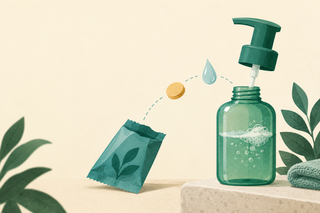
Blueland sells hand soap as a tablet customers dissolve at home. That format changes shipping and packaging, while making first-use instructions part of the product.
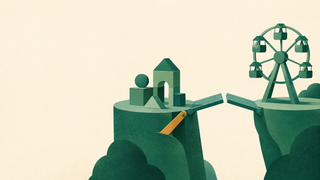
LEGO's 2005 park sale separated brand affinity from the capital needed to run another business. An asset worksheet helps smaller owners examine the same tension.
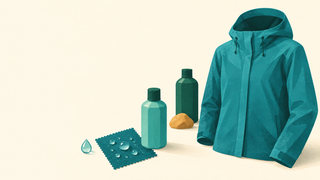
Nikwax separates cleaning from renewing a water-repellent finish. Its instructions suggest a useful aftercare workflow: diagnose the stage before offering another product.
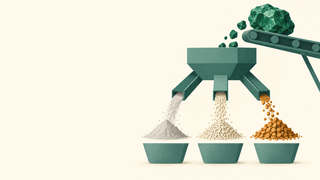
Brimstone plans to make cement, supplementary cementitious material and alumina from one rock feedstock. Each output still needs accepted quality, a buyer and a cash model.
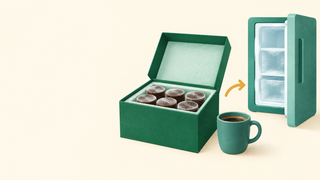
Cometeer moves coffee brewing upstream and ships frozen portions. A dispatch model shows the tradeoff between shipment costs, household consumption and the remaining cold-storage job.
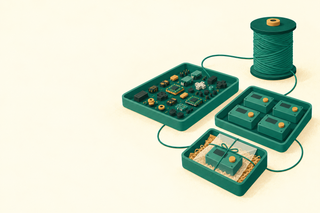
Carrie Sundra explained why a cheaper manufacturing run could still leave her unpaid. Separate parts discounts, assembly costs and cash recovery before ordering.
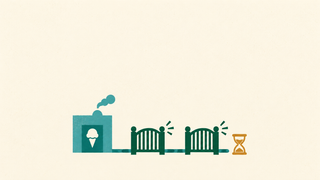
Jeni's halted production again soon after reopening in 2015. Its experience shows why a recovery budget needs cash for continued interruption as well as repairs.

Oskitone designed its Scout synthesizer for people learning electronics. It left out controls to simplify assembly and explanation while preserving a later modification path.
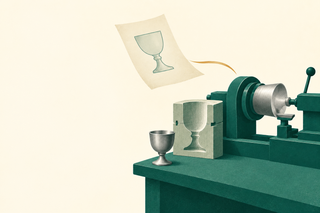
Danforth Pewter added established designs alongside equipment and training. A worked example shows why an acquisition price understates initial cash needs.

Niche’s home-grinder brief focused on small doses and retained coffee. Three measurements show how founders can turn a complaint into an honest product test.
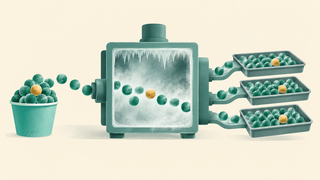
Dippin’ Dots expanded from frozen treats into industrial cryogenics. A capacity calculation shows why a new process customer needs a separate commercial test.
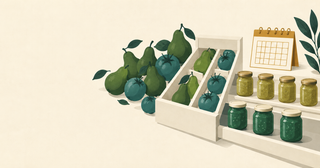
Rubies in the Rubble began with rescued market produce. Scaling required a choice about suppliers, outsourced production and which parts of the mission to retain.

Lush credits Mo Constantine and Stan Krysztal with an early solid-shampoo experiment. Changing the product's form also changes the work around it.
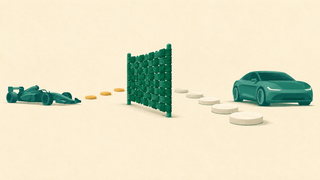
Bcomp’s racing and road-car work runs on different clocks. A two-row program calendar and funding-gap calculation show how to plan the interval.
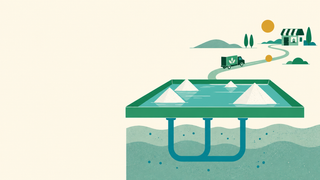
Saltverk makes sea salt with geothermal heat in Iceland’s Westfjords. Its model shows why a cheap production input must be weighed against logistics and operating costs.
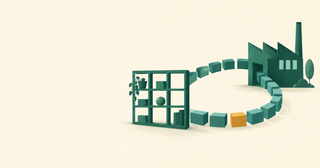
Vitsœ used customer lending to help build a factory. The ownership benefit came with a repayment obligation that product loyalty could not erase.

Debbie Sterling paired a construction kit with a storybook. The useful lesson is how to test the reason to build separately from the instructions.
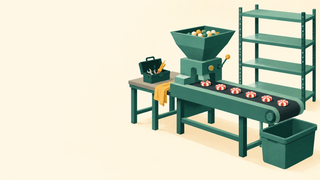
Berkshire kept See's Candies while redeploying surplus cash into other businesses. Its history offers a two-stage test for an owner's next acquisition.
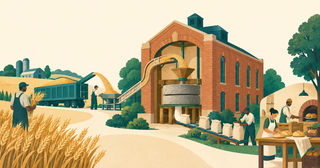
Maine had growers and bakers but lacked the processing link between them. Maine Grains shows how to test a missing-middle business before buying equipment.
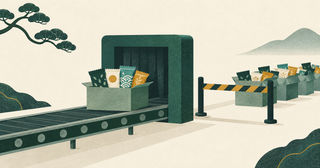
Bokksu used a tiny paying cohort to learn sourcing, packaging, international shipping and retention before one campaign tripled demand.
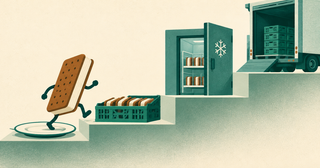
Nightingale expanded from a restaurant dessert to local shops, commissary production and national chains without skipping the operational steps between them.
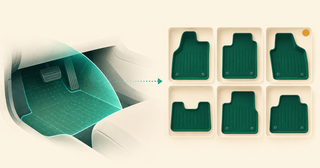
A floor liner must match one vehicle precisely. WeatherTech shows how tooling, compatibility data and returns can turn that complexity into a system.
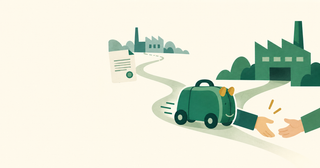
Trunki makes ride-on suitcases for children. Founder Rob Law moved from a failed license to greater control of the brand, supply chain and production.