
Four Notebook Deliveries Turn One Payment Into a Year of Obligations
Field Notes gives subscribers four new notebook editions a year. Its rhythm offers repeat customer conversations while creating future production obligations.
Topic
Field Notes gives subscribers four new notebook editions a year. Its rhythm offers repeat customer conversations while creating future production obligations.
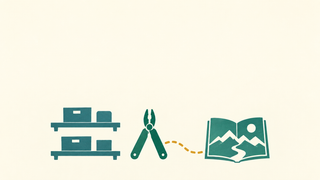
Tim Leatherman struggled to place his pliers-based pocket tool inside existing categories. An outdoor catalog offered a different route to an actual order.

Jones Soda has used consumer photographs on labels since 1996. A practical workflow shows the work needed to make customer participation reach a visible finish.

Replacements helps people identify china patterns before buying or selling. A useful identification service can qualify both sides of a physical inventory business.

Bogg gives retail partners distinctive designs. A worked batch example shows when an exclusive strengthens distribution and when it strands inventory.
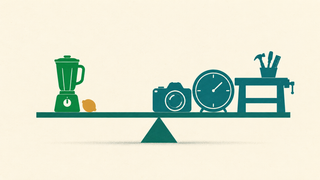
Blendtec’s famous starting budget paid for props. A complete campaign budget also accounts for people, existing assets and distinct revenue streams.

Steve Sando created a member group to answer recurring bean-cooking questions. Its useful lesson is to help buyers succeed before expecting them to recommend a product.
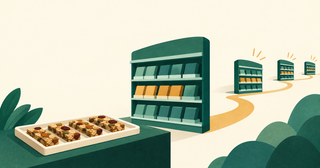
Lara Merriken did more than get LARABAR onto one shelf. She used sampling, movement data, and reorders to earn the next doors.

Memoir's team reported the leads, followers and newsletter placements behind its Kickstarter. A contribution ledger shows which channels deserve more money.

Liquid Death used a low-cost brand video and media test to attract distributors before it had cans, separating interest from factory commitment.

Ghia used restaurants and bartenders to show customers when and how to enjoy a nonalcoholic aperitif before trying to scale retail demand.
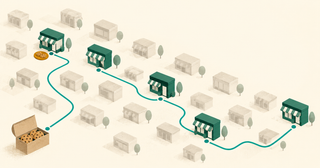
Partake founder Denise Woodard chose 50 promising stores, cold-called them and sampled in person before pursuing national grocery distribution.

Ridge sells slim wallets and everyday-carry products. It priced creators from observed views, bought repeated exposure and renewed placements that worked.

Who Gives A Crap needed $50,000 and its first thousand households. A founder stayed on a toilet until preorders funded production.