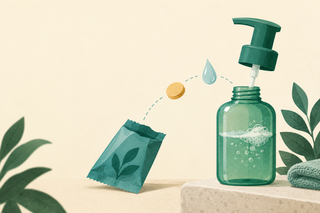
The Soap Arrives Dry. The Customer Adds the Water.
Blueland sells hand soap as a tablet customers dissolve at home. That format changes shipping and packaging, while making first-use instructions part of the product.
Topic
Articles on operating a small company that survives: finding customers from public signals, pricing your product with confidence, defending against chargebacks, and the operating decisions that separate businesses from projects.
Blueland sells hand soap as a tablet customers dissolve at home. That format changes shipping and packaging, while making first-use instructions part of the product.

Field Notes gives subscribers four new notebook editions a year. Its rhythm offers repeat customer conversations while creating future production obligations.

Nikwax separates cleaning from renewing a water-repellent finish. Its instructions suggest a useful aftercare workflow: diagnose the stage before offering another product.
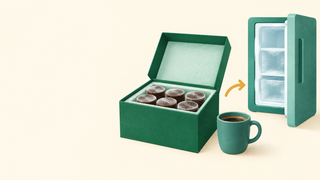
Cometeer moves coffee brewing upstream and ships frozen portions. A dispatch model shows the tradeoff between shipment costs, household consumption and the remaining cold-storage job.
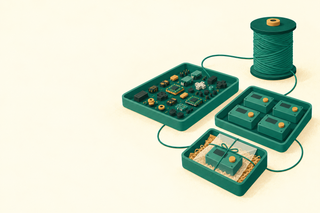
Carrie Sundra explained why a cheaper manufacturing run could still leave her unpaid. Separate parts discounts, assembly costs and cash recovery before ordering.
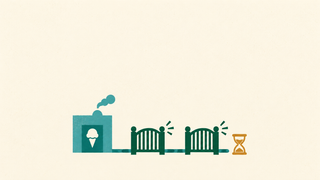
Jeni's halted production again soon after reopening in 2015. Its experience shows why a recovery budget needs cash for continued interruption as well as repairs.
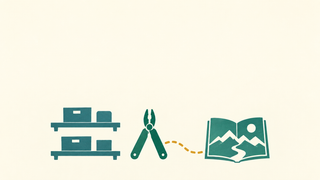
Tim Leatherman struggled to place his pliers-based pocket tool inside existing categories. An outdoor catalog offered a different route to an actual order.

Melissa Bernstein described choosing creative leadership while Doug ran their later company. Use their role division to identify decisions a founder can transfer.

Jones Soda has used consumer photographs on labels since 1996. A practical workflow shows the work needed to make customer participation reach a visible finish.
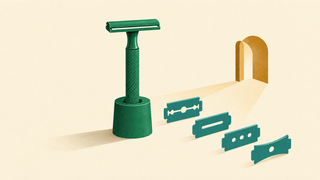
Henson sells a machined razor that accepts standard blades. Its design choice makes first-order contribution more important than hoped-for refill revenue.

Niche’s home-grinder brief focused on small doses and retained coffee. Three measurements show how founders can turn a complaint into an honest product test.

Dippin’ Dots expanded from frozen treats into industrial cryogenics. A capacity calculation shows why a new process customer needs a separate commercial test.

Oru solved kayak storage, then changed its folding pattern to simplify ownership. A practical map helps founders find friction outside a product’s main use.

Replacements helps people identify china patterns before buying or selling. A useful identification service can qualify both sides of a physical inventory business.
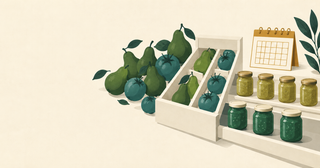
Rubies in the Rubble began with rescued market produce. Scaling required a choice about suppliers, outsourced production and which parts of the mission to retain.
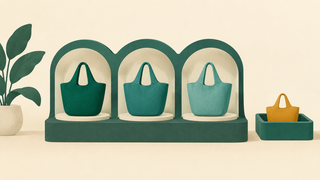
Bogg gives retail partners distinctive designs. A worked batch example shows when an exclusive strengthens distribution and when it strands inventory.

Lush credits Mo Constantine and Stan Krysztal with an early solid-shampoo experiment. Changing the product's form also changes the work around it.
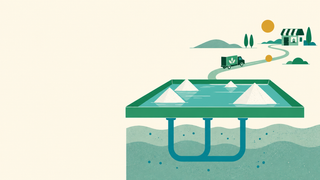
Saltverk makes sea salt with geothermal heat in Iceland’s Westfjords. Its model shows why a cheap production input must be weighed against logistics and operating costs.
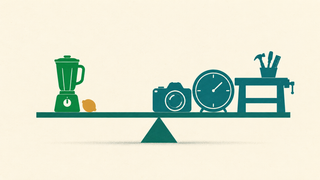
Blendtec’s famous starting budget paid for props. A complete campaign budget also accounts for people, existing assets and distinct revenue streams.

Debbie Sterling paired a construction kit with a storybook. The useful lesson is how to test the reason to build separately from the instructions.
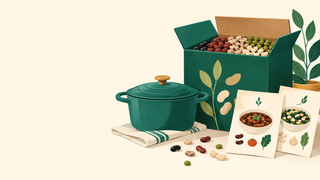
Steve Sando created a member group to answer recurring bean-cooking questions. Its useful lesson is to help buyers succeed before expecting them to recommend a product.
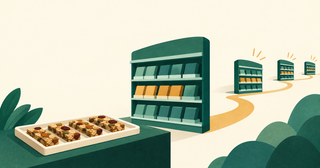
Lara Merriken did more than get LARABAR onto one shelf. She used sampling, movement data, and reorders to earn the next doors.

Memoir's team reported the leads, followers and newsletter placements behind its Kickstarter. A contribution ledger shows which channels deserve more money.
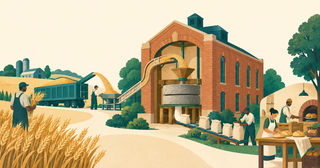
Maine had growers and bakers but lacked the processing link between them. Maine Grains shows how to test a missing-middle business before buying equipment.