
How a Phone-Grip Founder Followed the Way Customers Used His Prototype
David Barnett began with a phone case for storing earbuds, but users valued the grip. The product improved when observed behavior changed the specification.
Topic
Articles on operating a small company that survives: finding customers from public signals, pricing your product with confidence, defending against chargebacks, and the operating decisions that separate businesses from projects.
David Barnett began with a phone case for storing earbuds, but users valued the grip. The product improved when observed behavior changed the specification.
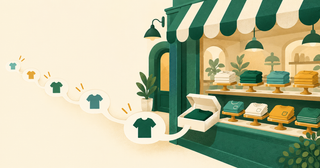
Johnny Cupcakes made a T-shirt shop look and behave like a bakery. A scorecard separates memorable retail media from expensive scenery.
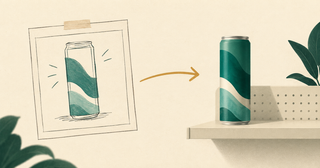
Liquid Death used a low-cost brand video and media test to attract distributors before it had cans, separating interest from factory commitment.
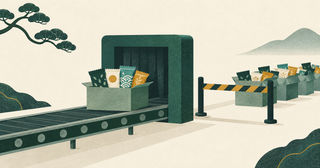
Bokksu used a tiny paying cohort to learn sourcing, packaging, international shipping and retention before one campaign tripled demand.

Ghia used restaurants and bartenders to show customers when and how to enjoy a nonalcoholic aperitif before trying to scale retail demand.
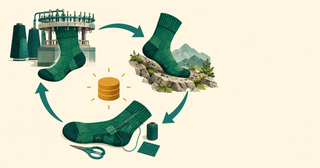
Darn Tough links its lifetime sock guarantee to in-house manufacturing, premium pricing and feedback from every returned pair.
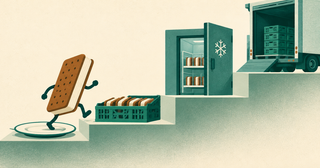
Nightingale expanded from a restaurant dessert to local shops, commissary production and national chains without skipping the operational steps between them.
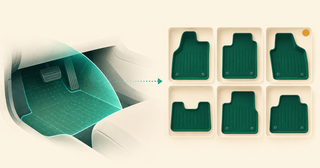
A floor liner must match one vehicle precisely. WeatherTech shows how tooling, compatibility data and returns can turn that complexity into a system.
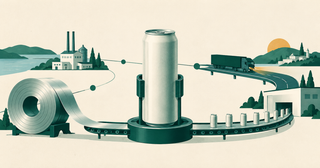
AriZona protects its recognizable 99-cent can through packaging, production speed, distribution choices and private ownership, not wishful pricing.

Ooni began with 142 crowdfunding backers and a manageable production run, leaving room to learn before thousands of customers depended on the product.
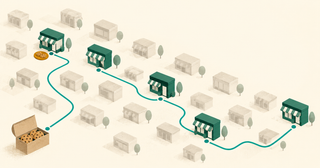
Partake founder Denise Woodard chose 50 promising stores, cold-called them and sampled in person before pursuing national grocery distribution.
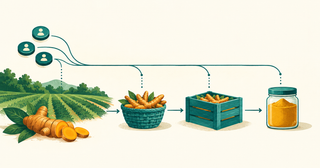
Diaspora Co. used customer preorders to fund a turmeric supply chain tied to harvest timing, quality selection and direct farm relationships.

Trunki makes ride-on suitcases for children. Founder Rob Law moved from a failed license to greater control of the brand, supply chain and production.

Ugmonk is a small design brand. It spent three years developing a desk organizer before crowdfunding tested whether buyers would finance production.

Ridge sells slim wallets and everyday-carry products. It priced creators from observed views, bought repeated exposure and renewed placements that worked.

Who Gives A Crap needed $50,000 and its first thousand households. A founder stayed on a toilet until preorders funded production.
Tally gives away what competitors meter, converts about 2% of users to paid, and passed $5M ARR bootstrapped. The math only works because free users do the distribution.
ScrapingBee failed twice, then rode long technical tutorials to $1M ARR and an eight-figure sale to Oxylabs. Their content playbook, step by step, with the numbers.
Josh Pigford published every term of his Baremetrics exit: three payments, no earnout, a guaranteed $3.7 million, and two seed investors who agreed to walk away with nothing.
Cold LinkedIn messages went nowhere, so Alex West sold the list before it existed: ten customers at $29 within two weeks of a Product Hunt launch. The whole arc, from $87 on day one to a $53,700 peak and back down.
Laura Lopuch sent 328 researched cold emails as a new freelancer with no network and grew her revenue 14x in about four months. The method is documented down to the day of the week.
Chris Mondragon runs Queen Bee Cleaning past $1.5M a year with employees and a $4,200 monthly ad budget. Chris Schwab ran Think Maids to $60K a month from another continent. Both published their numbers.
lemlist started in 2018 with $1,000 and reached a $150M valuation without outside funding. Four times its founder traded short-term money for distribution, and the AppSumo deal shows the exact price.
The FTC, Utah and California say Hims shared health information with Meta and Snap through customer lists and automatic website Events. Four surfaces leak a category, and you can inspect all four in half an hour.