
The Ice-Cream Process That Found a Second Market in Manufacturing
Dippin’ Dots expanded from frozen treats into industrial cryogenics. A capacity calculation shows why a new process customer needs a separate commercial test.
Dippin’ Dots expanded from frozen treats into industrial cryogenics. A capacity calculation shows why a new process customer needs a separate commercial test.

Oru solved kayak storage, then changed its folding pattern to simplify ownership. A practical map helps founders find friction outside a product’s main use.

Niron’s GM partnership is a route into motor development. A four-state evidence ladder separates that opportunity from qualified, repeatable production supply.
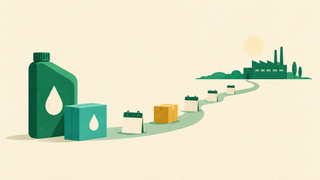
WD-40 outsources finished-goods manufacturing but still commits money to capacity. Its disclosures show how to map supplier promises before withdrawing cash.
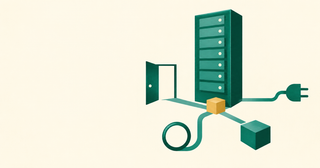
Oxide sells an integrated rack of computers for a customer's own facility. The purchase decision spans capacity, physical access and operational responsibility.

Replacements helps people identify china patterns before buying or selling. A useful identification service can qualify both sides of a physical inventory business.

Rubies in the Rubble began with rescued market produce. Scaling required a choice about suppliers, outsourced production and which parts of the mission to retain.

Bogg gives retail partners distinctive designs. A worked batch example shows when an exclusive strengthens distribution and when it strands inventory.

Lush credits Mo Constantine and Stan Krysztal with an early solid-shampoo experiment. Changing the product's form also changes the work around it.

Blue Robotics replaced a sealed motor arrangement with a flooded design. Its development story shows how architecture changes assembly cost and customer obligations.
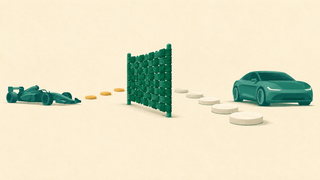
Bcomp’s racing and road-car work runs on different clocks. A two-row program calendar and funding-gap calculation show how to plan the interval.
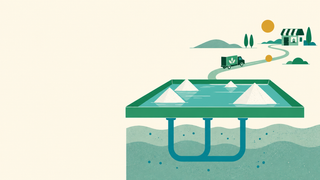
Saltverk makes sea salt with geothermal heat in Iceland’s Westfjords. Its model shows why a cheap production input must be weighed against logistics and operating costs.

Vitsœ used customer lending to help build a factory. The ownership benefit came with a repayment obligation that product loyalty could not erase.
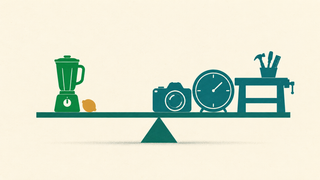
Blendtec’s famous starting budget paid for props. A complete campaign budget also accounts for people, existing assets and distinct revenue streams.

Debbie Sterling paired a construction kit with a storybook. The useful lesson is how to test the reason to build separately from the instructions.

Gradient designed a heat pump for existing windows. A New York housing pilot shows why installation, seasonal reliability and bill economics need separate gates.

NEMO redesigned its Forte sleeping bag around a simpler material family. The commercial promise also requires collection, sorting and an actual processor.

Steve Sando created a member group to answer recurring bean-cooking questions. Its useful lesson is to help buyers succeed before expecting them to recommend a product.
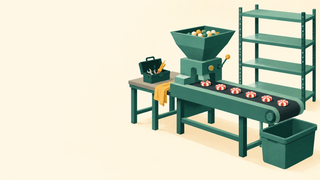
Berkshire kept See's Candies while redeploying surplus cash into other businesses. Its history offers a two-stage test for an owner's next acquisition.
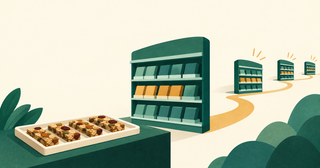
Lara Merriken did more than get LARABAR onto one shelf. She used sampling, movement data, and reorders to earn the next doors.
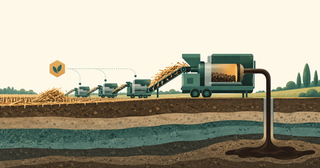
Charm Industrial's first customer bought an outcome before the process had scaled. The contract-to-machine bridge shows what an advance market can prove.

A phone campaign can prove demand before suppliers, certification, carriers, fulfillment, and support are ready. Light's updates reveal the missing system.

Memoir's team reported the leads, followers and newsletter placements behind its Kickstarter. A contribution ledger shows which channels deserve more money.
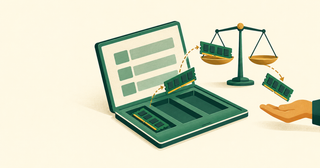
Framework faced a memory quote above twice its prior cost, changed preorders, then refunded buyers when supply got cheaper. Here is the reusable batch rule.