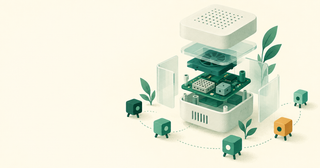
Why an Air-Quality Monitor Company Gives Away Its Hardware Designs
AirGradient publishes its monitor designs and still sells calibrated devices. Customers pay for execution, support, dependable sourcing and trust.
AirGradient publishes its monitor designs and still sells calibrated devices. Customers pay for execution, support, dependable sourcing and trust.
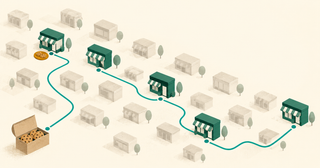
Partake founder Denise Woodard chose 50 promising stores, cold-called them and sampled in person before pursuing national grocery distribution.
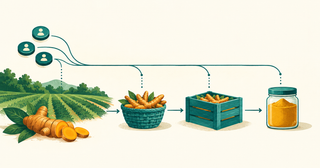
Diaspora Co. used customer preorders to fund a turmeric supply chain tied to harvest timing, quality selection and direct farm relationships.
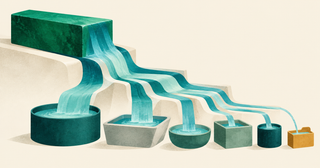
PepsiCo's $1.2 billion purchase of Siete was a company valuation, not a disclosed family payout. Ownership and deal terms determine the proceeds.

Trunki makes ride-on suitcases for children. Founder Rob Law moved from a failed license to greater control of the brand, supply chain and production.
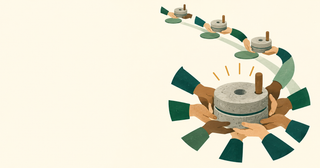
Bob's Red Mill is a flour and whole-grain company. Its decade-long employee-ownership transition shows the cash flow and management work an ESOP requires.
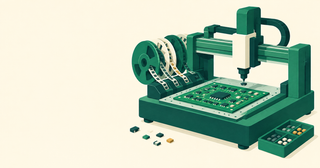
Opulo's desktop machine places electronic components on circuit boards. The break-even test includes setup fees, labor, delay and inventory risk.
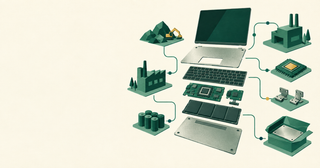
MNT Research names the companies making its laptop boards, body, hinges and cells, making the production bottleneck visible before customers wait.
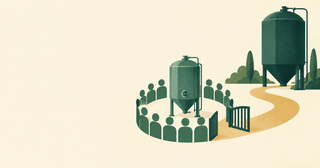
New Belgium Brewing shared financial value through employee ownership, then employees approved a sale. An ESOP did not permanently lock independence.
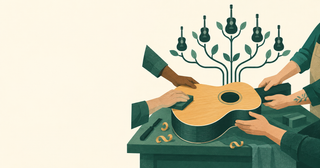
Taylor Guitars developed product leaders and managers before moving ownership to employees, separating founder succession from a competitor sale.
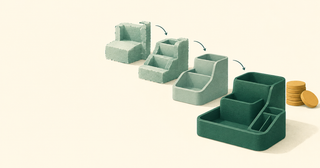
Ugmonk is a small design brand. It spent three years developing a desk organizer before crowdfunding tested whether buyers would finance production.
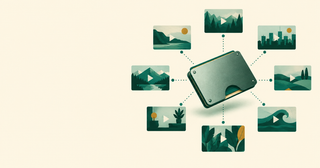
Ridge sells slim wallets and everyday-carry products. It priced creators from observed views, bought repeated exposure and renewed placements that worked.
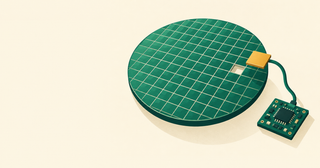
Tiny Tapeout combines many small circuit designs into one fabrication run, letting beginners buy a useful tile instead of funding an entire chip.
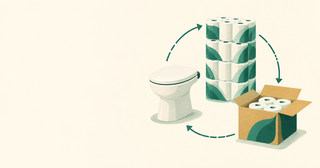
Who Gives A Crap needed $50,000 and its first thousand households. A founder stayed on a toilet until preorders funded production.
Tally gives away what competitors meter, converts about 2% of users to paid, and passed $5M ARR bootstrapped. The math only works because free users do the distribution.
Mike Perham has run Sidekiq alone since 2012: a free open source core, paid Pro and Enterprise tiers, and a no-discounts rule. Here is how the machine works.
ScrapingBee failed twice, then rode long technical tutorials to $1M ARR and an eight-figure sale to Oxylabs. Their content playbook, step by step, with the numbers.
Josh Pigford published every term of his Baremetrics exit: three payments, no earnout, a guaranteed $3.7 million, and two seed investors who agreed to walk away with nothing.
Ivan Kutskir worked 7,000 hours before Photopea earned a dollar. Now the free editor makes about $3 million a year, 90 percent from ads, on roughly $12,600 of annual costs.
Levels.fyi served millions of monthly visitors from a Google Form and a spreadsheet while its two bootstrapped founders reached a $2 million run rate. The order of operations is the lesson.
Cold LinkedIn messages went nowhere, so Alex West sold the list before it existed: ten customers at $29 within two weeks of a Product Hunt launch. The whole arc, from $87 on day one to a $53,700 peak and back down.
Laura Lopuch sent 328 researched cold emails as a new freelancer with no network and grew her revenue 14x in about four months. The method is documented down to the day of the week.
Chris Mondragon runs Queen Bee Cleaning past $1.5M a year with employees and a $4,200 monthly ad budget. Chris Schwab ran Think Maids to $60K a month from another continent. Both published their numbers.
AJ built Carrd alone, priced Pro at $19 a year, and passed $1M ARR with zero paid advertising. The cheap price is the strategy, and it only works in one specific configuration.